
|
| Uien, Knoflook, Bieslook, etc. |
Wikipedia NL
|
|
Onions, Garlics and Chives, etc |
Wikipedia EN
|
| Oignons, Ail, Ciboulette |
Wikipedia FR
|
| Zwiebeln, Knoblauch, Schnittlauch |
Wikipedia DE
|
|
Allium (Onion, knoflook, Ail, Garlic, etc.) |
|
|
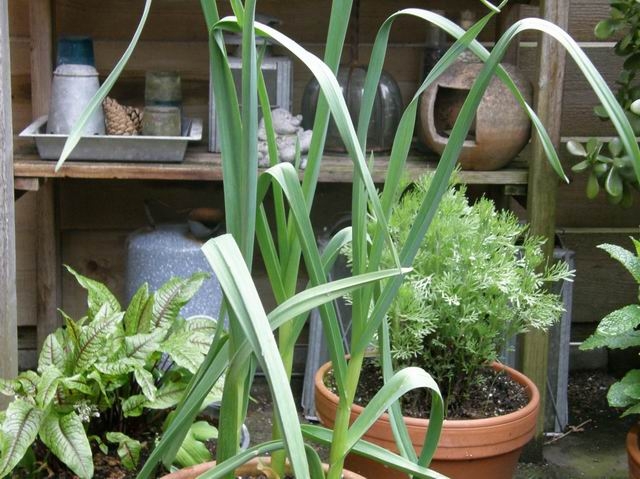 0186 - Knoflook |
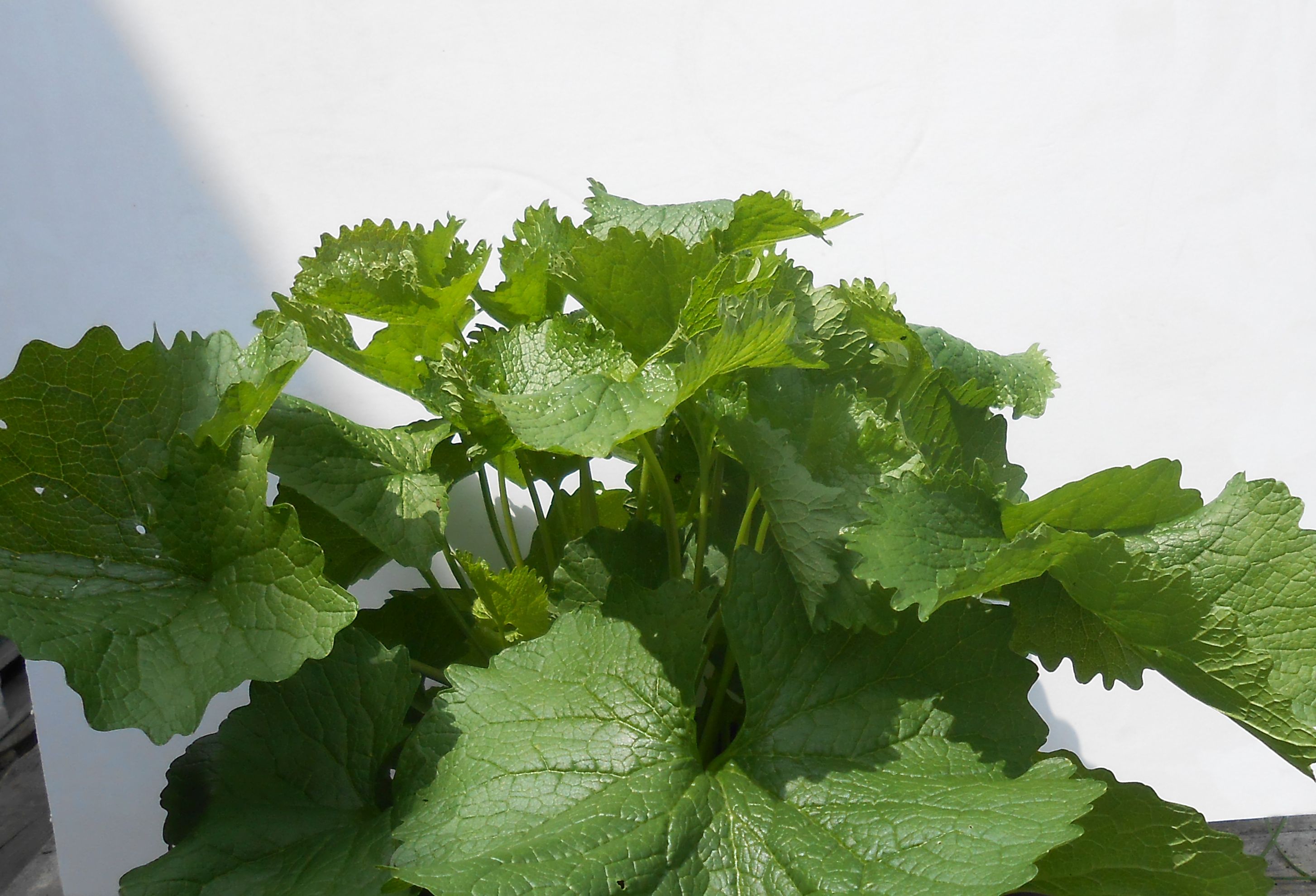 0426 - Look-zonder-look |
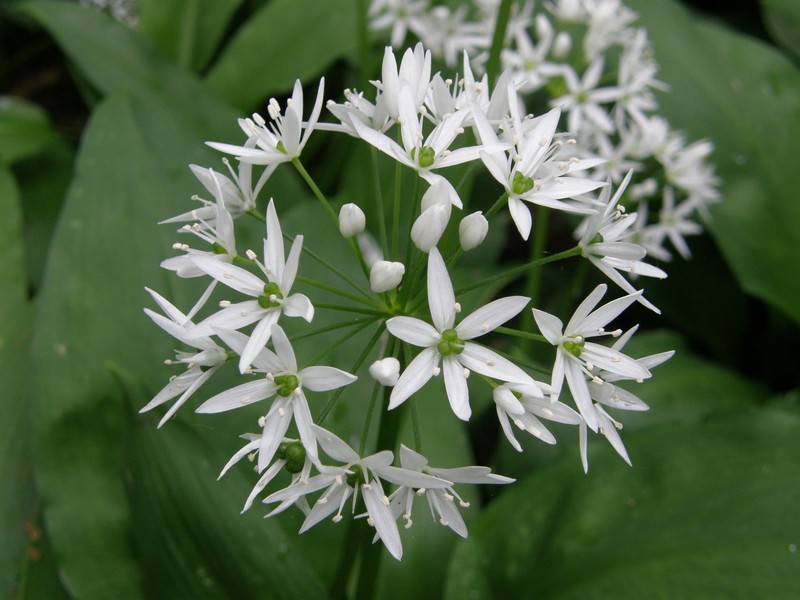 0116 - Daslook |
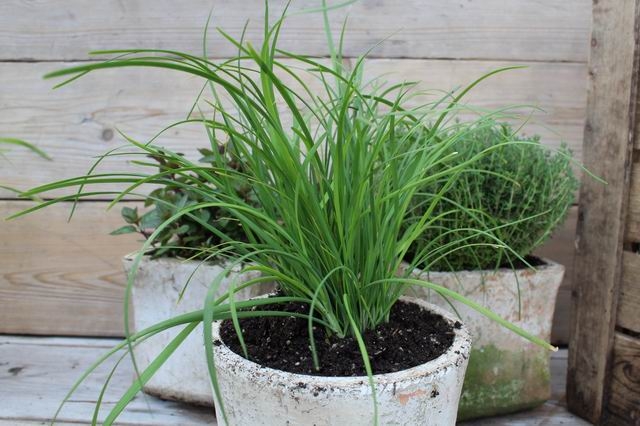 0188 - Knoflook Bieslook |
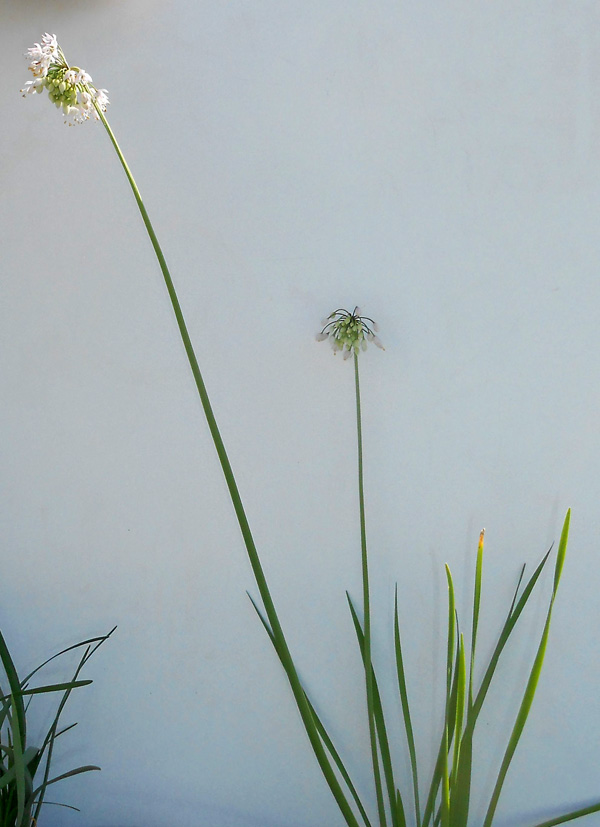 0517 - Amerikaanse Look |
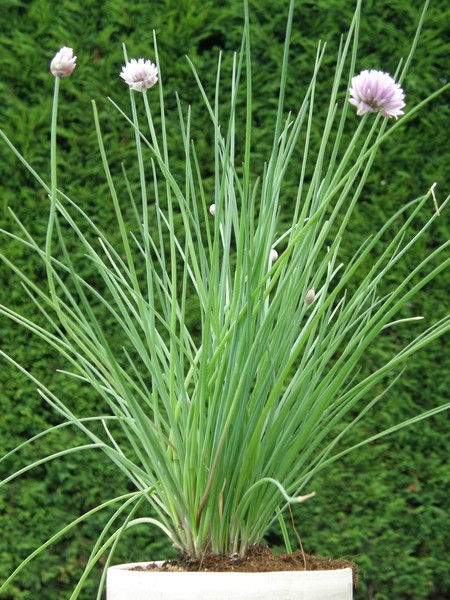 0234 - Bieslook |
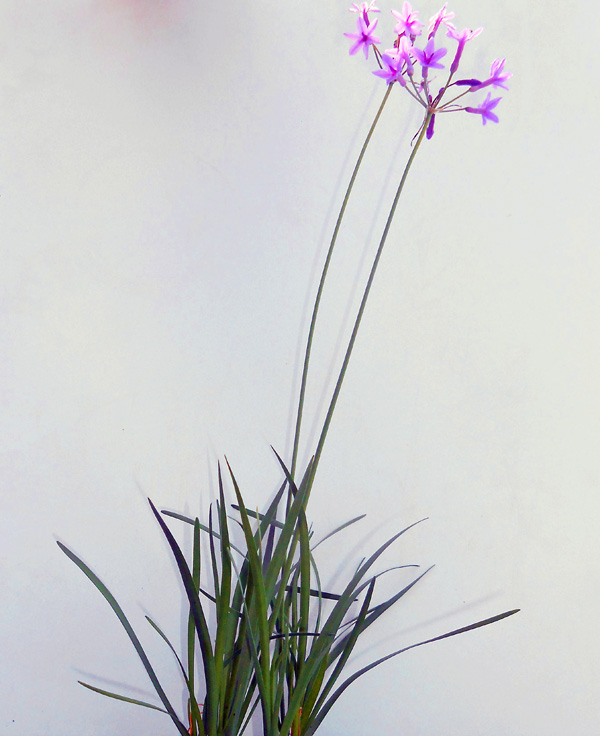 0247 - Kaapsknoflook |
|
(Nederlands) Een enorme plantenfamilie met een breed scala aan smaken, munt behoort tot de meest universeel gebruikte kruiden, meestal vallen ze in de familie van groene munt (spicata,met een lichtere, groenere smaak) of pepermunt (pepirata, met een straffe en bittere smaak). In de taal van bloemen staat Munt symbool voor deugd. Munt is veelzijdig en gevarieerd van smaak. Naast thee kan het vlees (vooral schapenvlees), vis, desserts, rauwe groenten, soepen, sauzen, garnituren, capariña en mojito begeleiden. Munt is gelukkig in de meeste bodems, natte, steenachtige en zware grond, behalve droge en zanderige grond. Sommige soorten groeien zelfs zo snel dat ze gauw alle beschikbare ruimte vullen. Aangezien de meeste groei plaatsvindt via wortels ongeveer 5-10 cm onder het grondniveau, is de beste tip om een bak of pot (met een gaatje) in de grond in te graven om munt in te planten, zodat hij redelijk opgesloten blijft. Langere stelen zullen ook op de grond vallen en nieuwe wortels vormen, dus let op pepermuntjes die uit je bakje ontsnappen. (Er wordt ook vaak gezegd dat pepermuntjes een deel van hun kenmerkende smaak verliezen als ze met de wortels in contact komen met andere variëteiten.) Als de bladeren gedroogd of beschadigd zijn, snijd de plant dan gewoon terug tot net boven de grond en hij zal snel teruggroeien. (English) A huge family of plants with a wide range of flavours, Mint is among the most universally used herbs, mostly falling into the family of Spearmints (with a lighter greener taste) or Peppermints (with a hotter and more bitter taste). In the language of flowers, Mint is emblematic of virtue. Mint is versatile and varied in taste. As well as tea it can accompany meat (especially mutton), fish, desserts, raw vegetables, soups, sauces, garnishes, capariña and mojito. Mints are happy in most soils, wet, stoney and heavy ground, except for dry and sandy soil. In fact, some varieties grow so quickly that they quickly fill all available space. Since most growth happens through roots about 5-10 cm under the soil level, the best tip is to bury a container in the ground to plant them in so as to keep them reasonably confined. Longer stems will also fall to the ground and make new roots, so keep an eye for mints that escape from your container. (It is also frequently said that mints will lose some of their distinctive flavour if they come into root contact with other varieties.) If leaves are dried or damaged then simply cut the plant back to just above the ground and it will quickly regrow. |